Ecuadorian Amazon Adventure
May 26–30
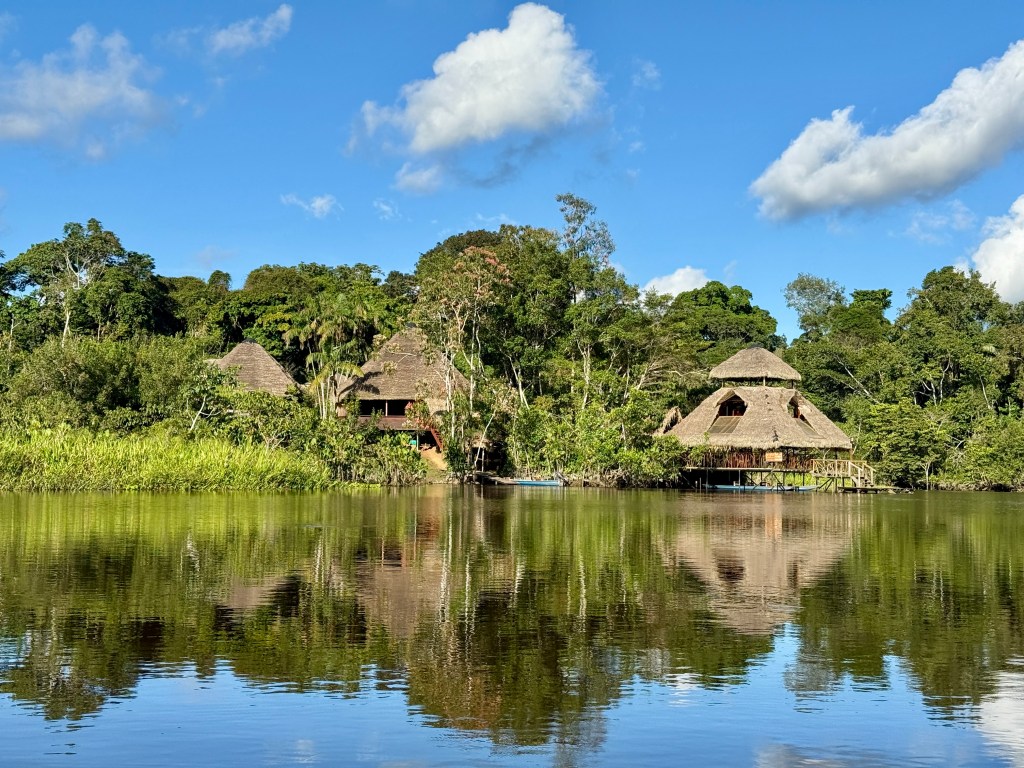
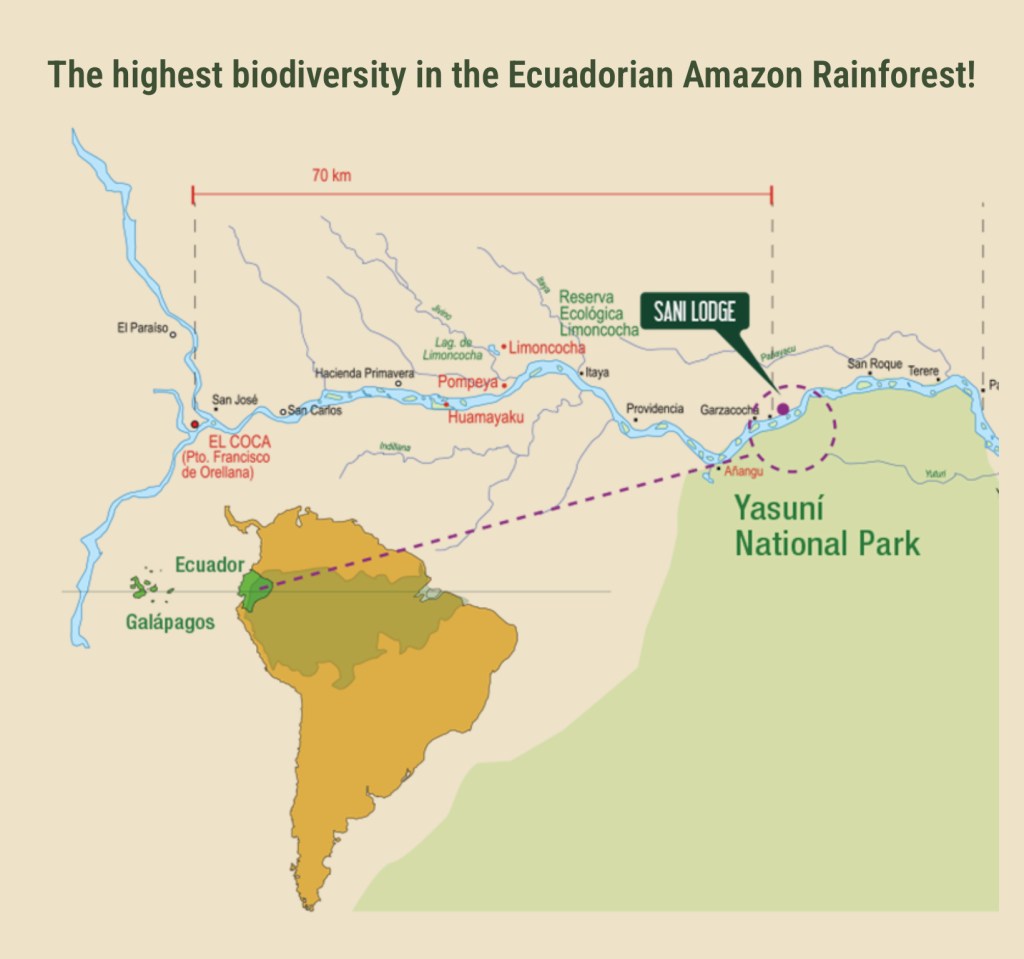
Nestled deep within the Ecuadorian Amazon, Yasuni National Park is considered one of the most biodiverse places on Earth. Our stay at Sani Lodge www.sanilodge.com offered an unforgettable experience — from canoe rides and jungle hikes to incredible wildlife encounters and Indigenous cultural experiences.
⸻
May 26 — Journey Into the Amazon
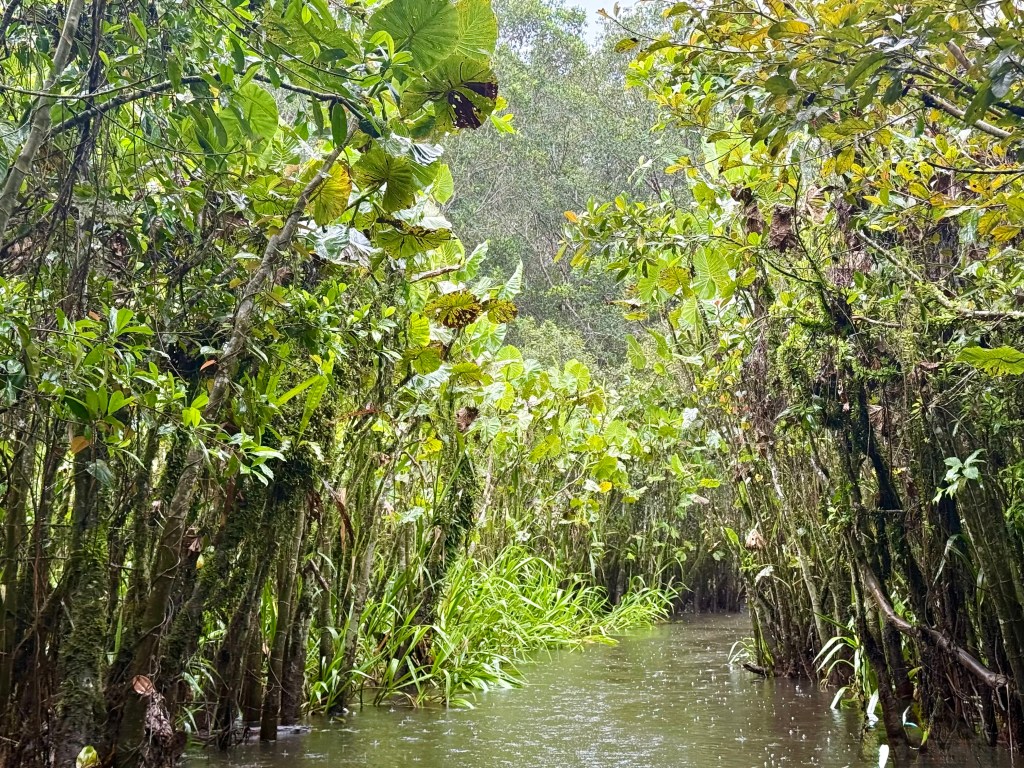
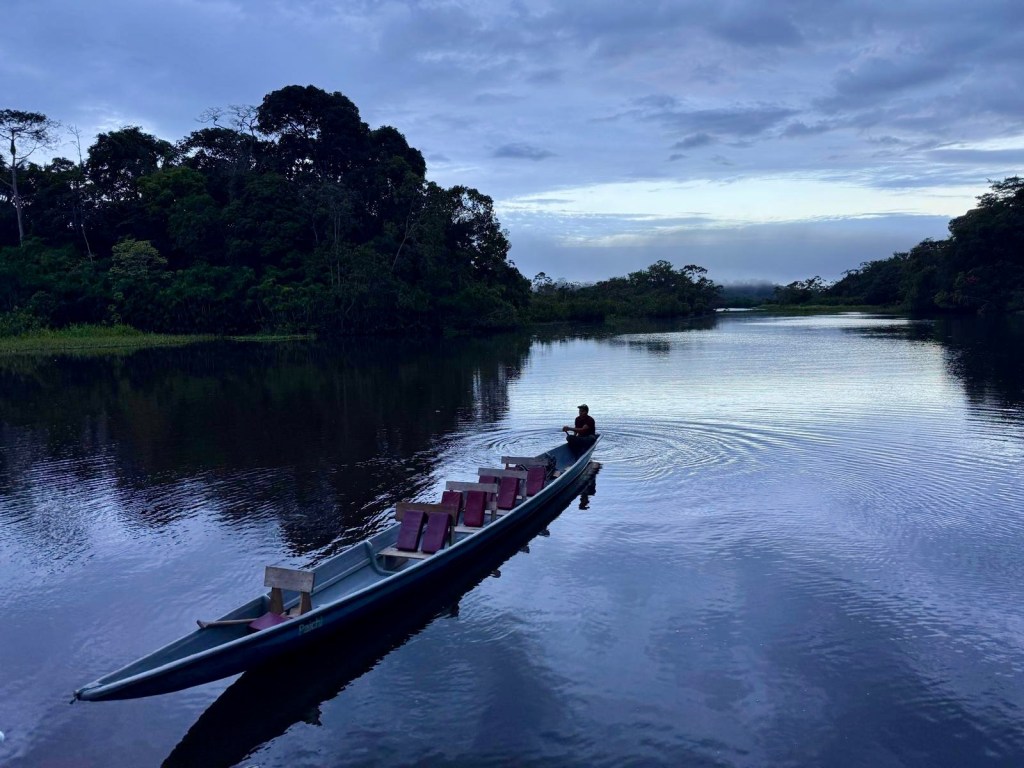
Getting to Sani Lodge was an adventure in itself. We began our day with a 30-minute flight from Quito to the Coca airport. We then traveled three hours by motorized canoe down the Napo River, followed by a short jungle hike and a peaceful 30–40 minute paddle in an eight person canoe through narrow waterways surrounded by dense rainforest and the sounds of monkeys and birds overhead.
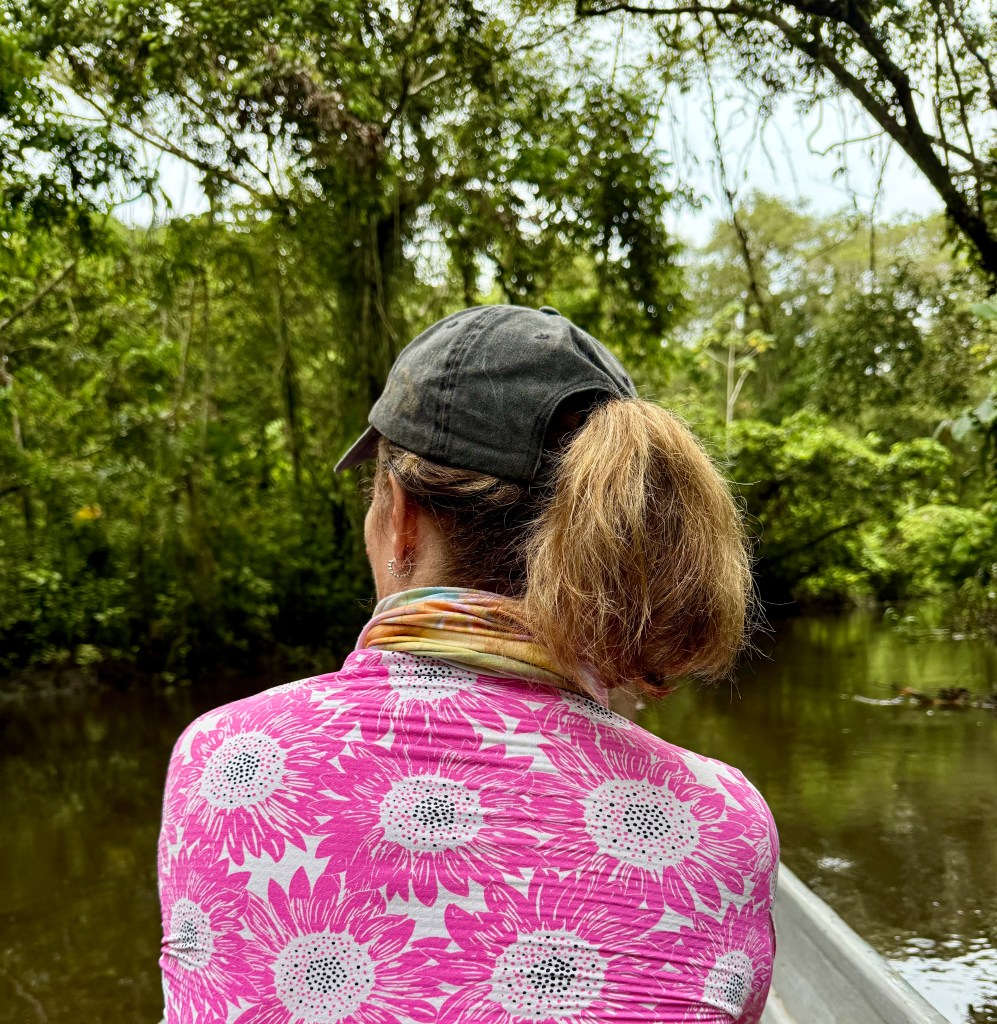
As we glided through the water, I joked that we probably wouldn’t be swimming because of the piranhas. Our guide laughed and said that before the piranhas had time to get us, the caiman or electric fish definitely would.
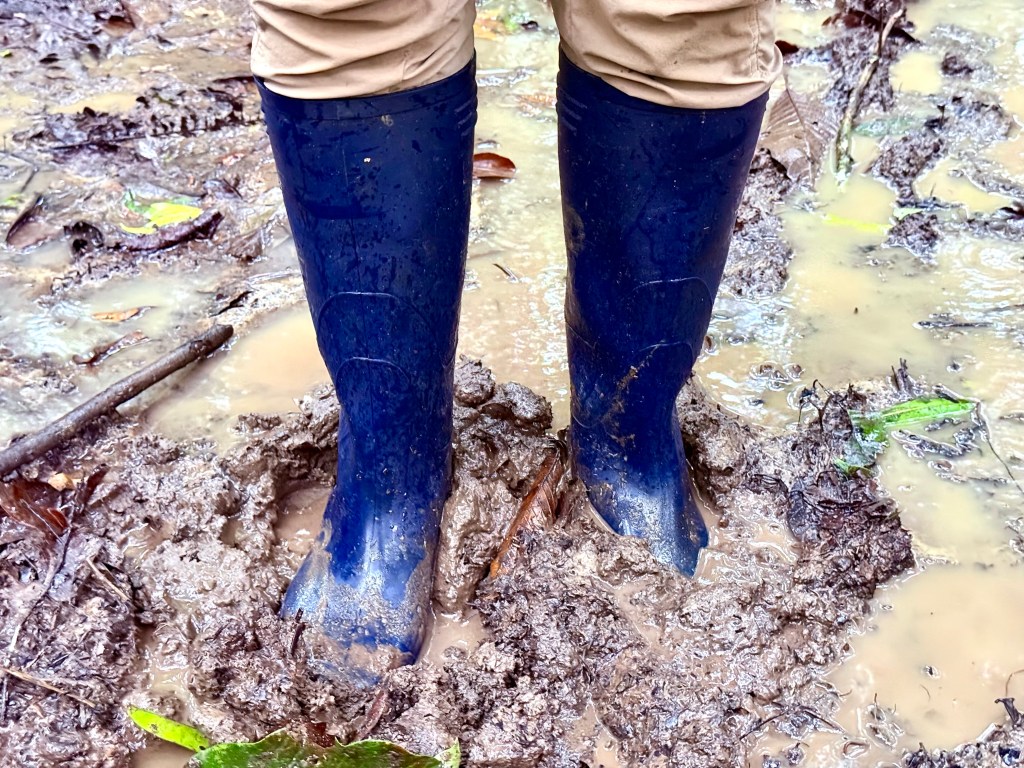
Upon arrival at the lodge, we were fitted with rubber boots — an Amazon essential. Long sleeves, pants, and boots are strongly recommended in the jungle, where countless insects and critters are eager to bite.
That afternoon we explored the waterways near the lodge by canoe and immediately spotted monkeys and an incredible variety of birds. Back at the dock, our guide warned us not to linger too long since caiman occasionally pull themselves up onto the platforms.
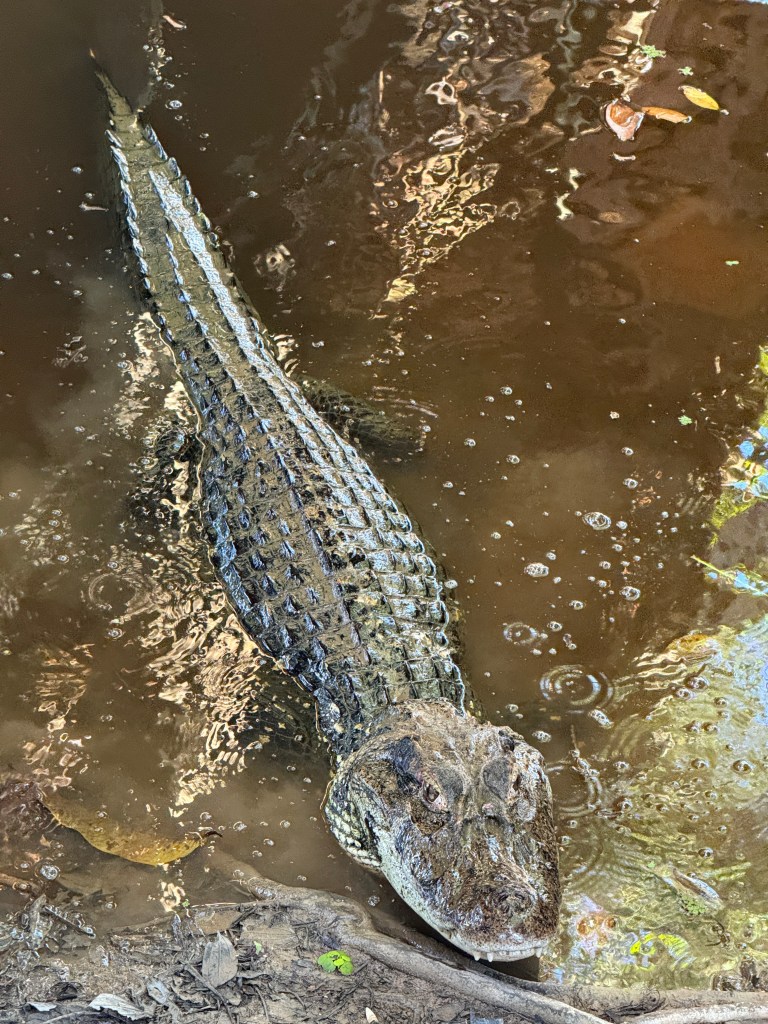
We were also introduced to “Mama Lucy,” a massive caiman known for wandering the lodge grounds after emerging from the water nearby.
After dinner, we headed out for a nighttime jungle hike with our naturalist guide and a local guide carrying a machete. Soon into the walk, our guide pointed out a tarantula and a deadly scorpion, just what I didn’t want to see. About ten minutes into the walk, our guide asked us to stand quietly and listen to the sounds of the rainforest.
Within seconds, everyone began slapping at their legs.
We had all unknowingly stopped on top of a massive army ant nest. The ants rapidly climbed into our pants and boots, biting furiously. Chaos erupted as we sprinted back to the cabins, stripping off muddy clothes and showering in an attempt to get rid of the ants.
It was a memorable welcome to the Amazon.
⸻
May 27 — Parrots, Indigenous Traditions & Chocolate Making
The next morning we paddled back to the area we had visited the night before and boarded the larger motorized canoes. Along the way, we stopped at a parrot clay lick where colorful parrots gathered in huge numbers along the riverbank.
Later, we visited a local Indigenous community and learned about traditional life in the Amazon. Many Amazonian people speak both Spanish and Kichwa, Kichwa being the traditional language still widely used throughout the region. Our guides explained that some remote communities in the Amazon still live with little or no outside contact.
We walked past the local school, where we learned how dramatically internet access through Starlink has improved educational opportunities for children in these remote rainforest communities.
The visit included several hands-on demonstrations:
- learning how to use a traditional blow dart gun
- preparing fish wrapped and cooked in palm leaves
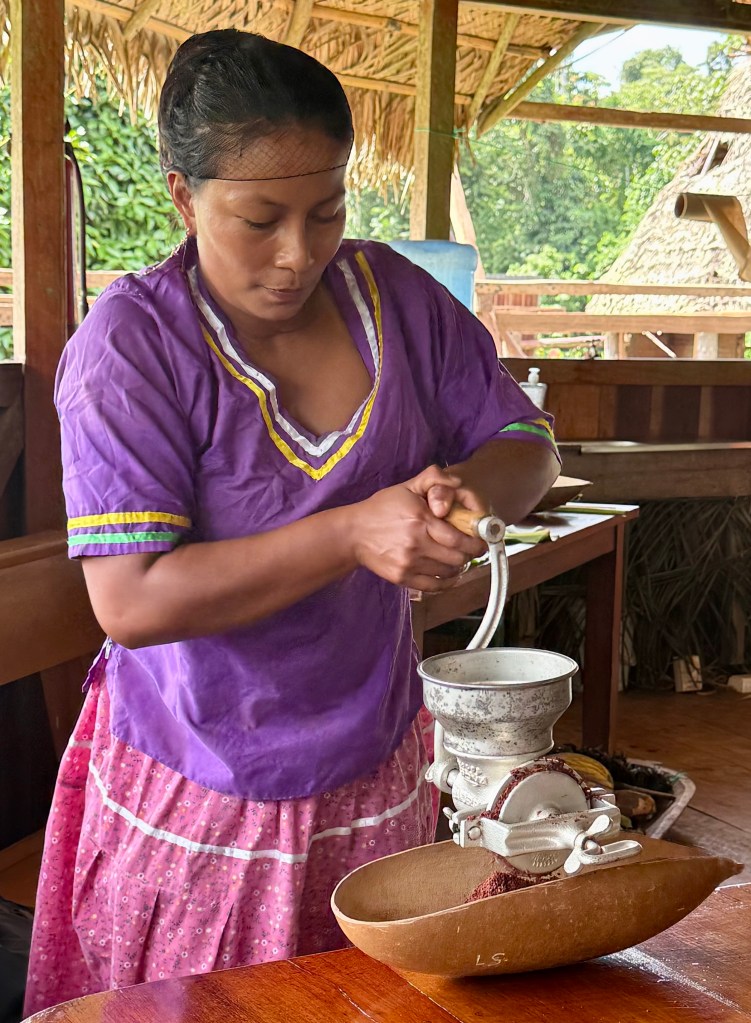
- making chocolate from raw cacao beans, including roasting and grinding the beans into the final product
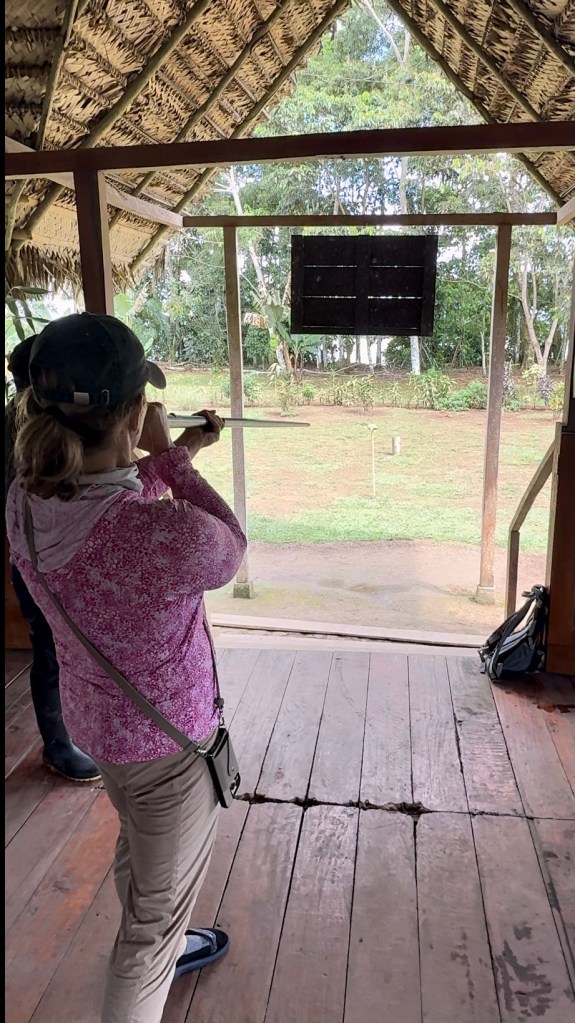
It was one of the most fascinating cultural experiences of the trip.
⸻
May 28 — Wildlife in Yasuni National Park
We spent the day hiking through Yasuni National Park, surrounded by astonishing biodiversity.
Our guide introduced us to leaf-cutter ants, often called the world’s oldest farmers. Rather than eating leaves directly, they chew vegetation into pulp to cultivate a specialized fungus that serves as their food source.
Wildlife sightings throughout the day included:
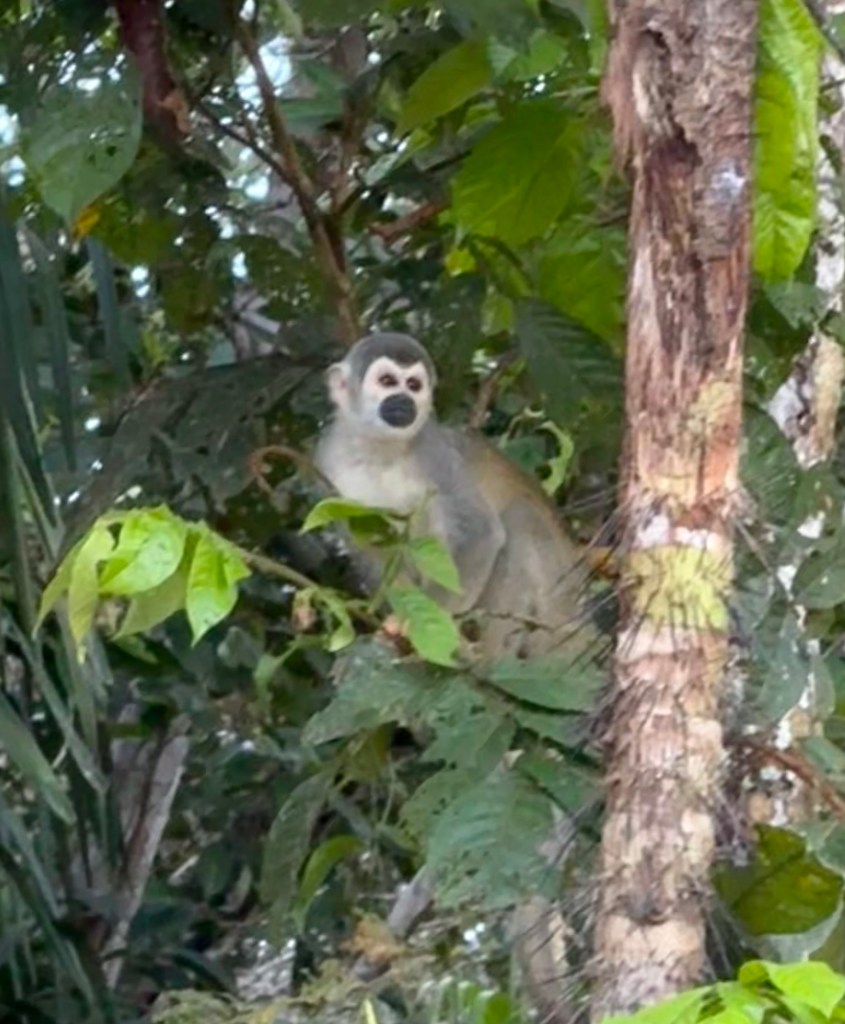
- several species of monkeys
- parrots and macaws
- army ants
- a bullet ant, famous for possessing one of the most painful stings in the insect world
- hoatzins, prehistoric-looking birds nicknamed “stinky turkeys” because of their unusual odor
- Fresh Puma footprints! I was honestly glad to only see footprints, not an actual puma
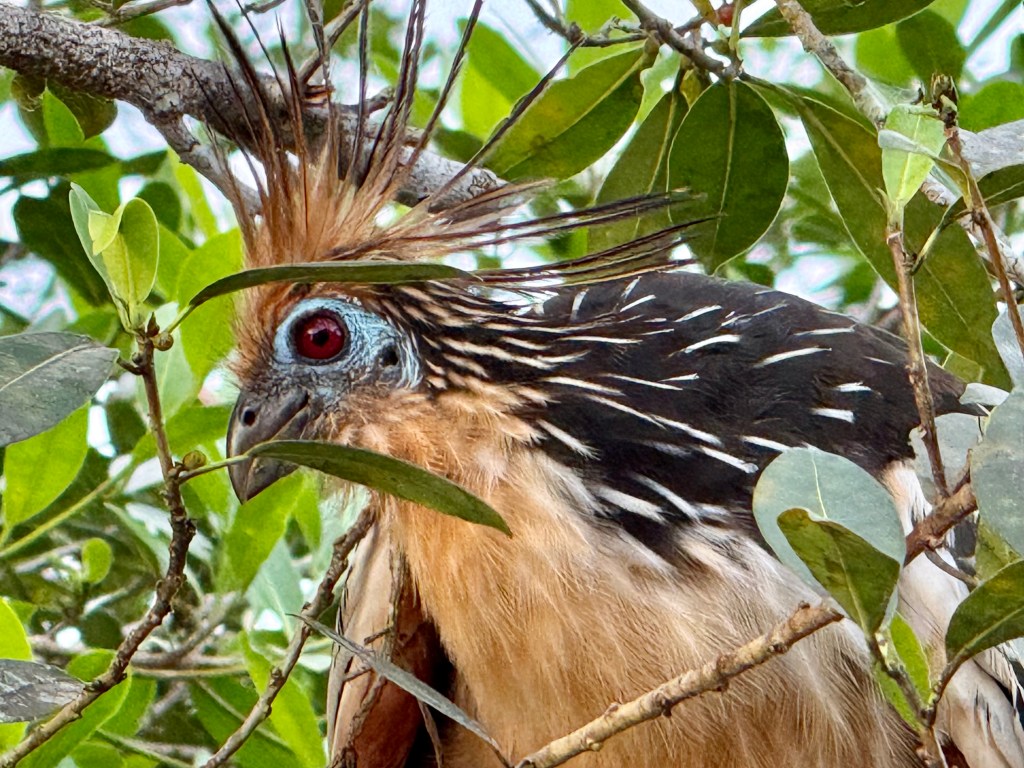
At one point we heard what sounded like rain falling through the canopy. It turned out to be a monkey high above us attempting to urinate on Dan from the treetops. When Dan realized what was happening, he ran, and we could hear the monkey’s devilish laughter at what he had almost accomplished.
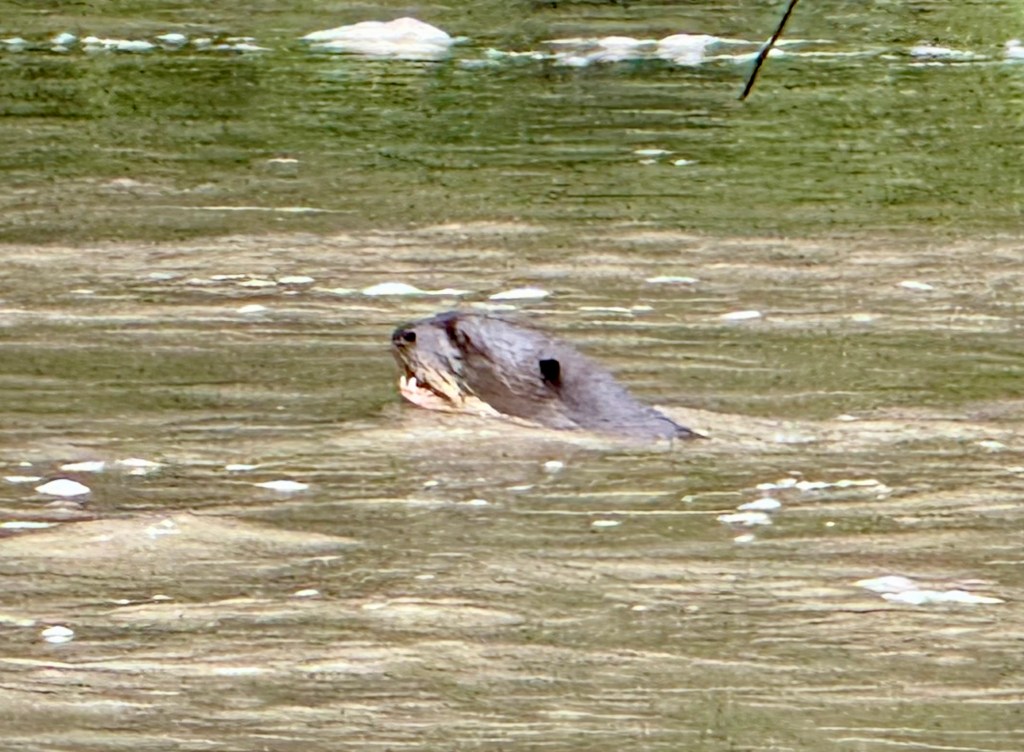
One of the highlights of the day was spotting a giant river otter, a rare sight even for experienced guides.
⸻
May 29 — Rainforest Views, Piranha Fishing & Sloths
Heavy rain poured down most of the morning, so we spent a few hours watching the lodge’s wildlife game cameras before heading out. The footage was incredible — including nighttime sightings of large cats roaming the property, along with monkeys and anteaters.
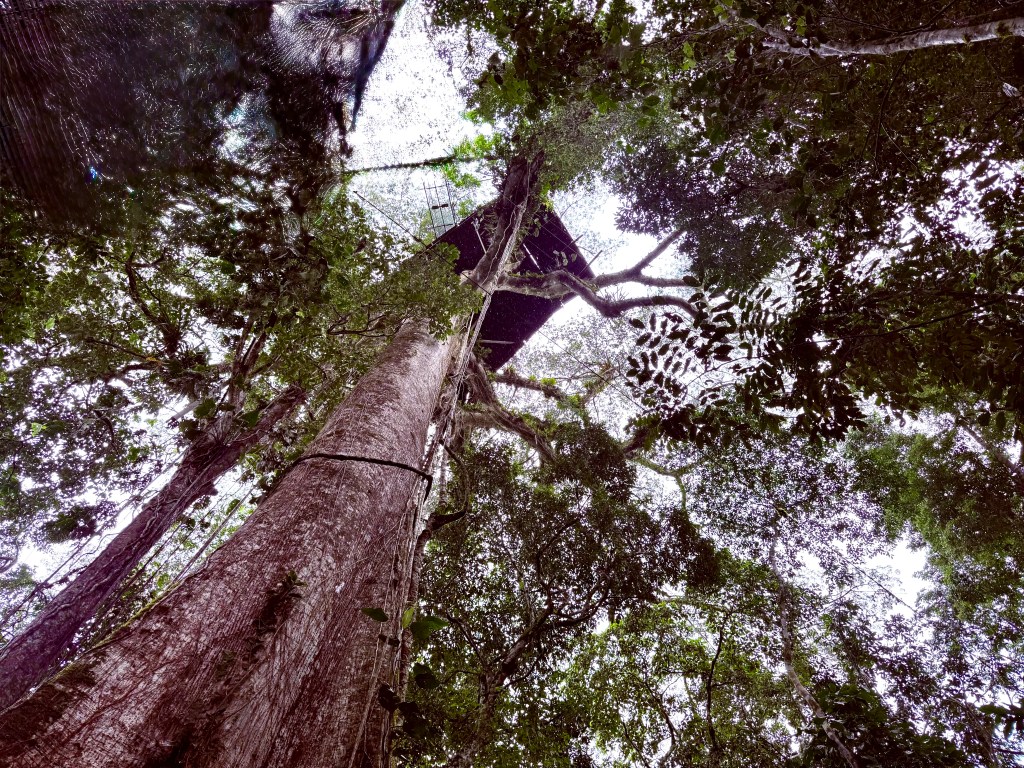
Once the rain eased, we paddled to another jungle trail leading to a massive observation tower built high into a thousand year old Kapok tree. Climbing above the canopy revealed breathtaking panoramic views stretching endlessly across the rainforest.
Later that afternoon we tried piranha fishing using chunks of beef as bait. Dan easily won the competition, catching five piranhas — three large enough for the kitchen to prepare for dinner.
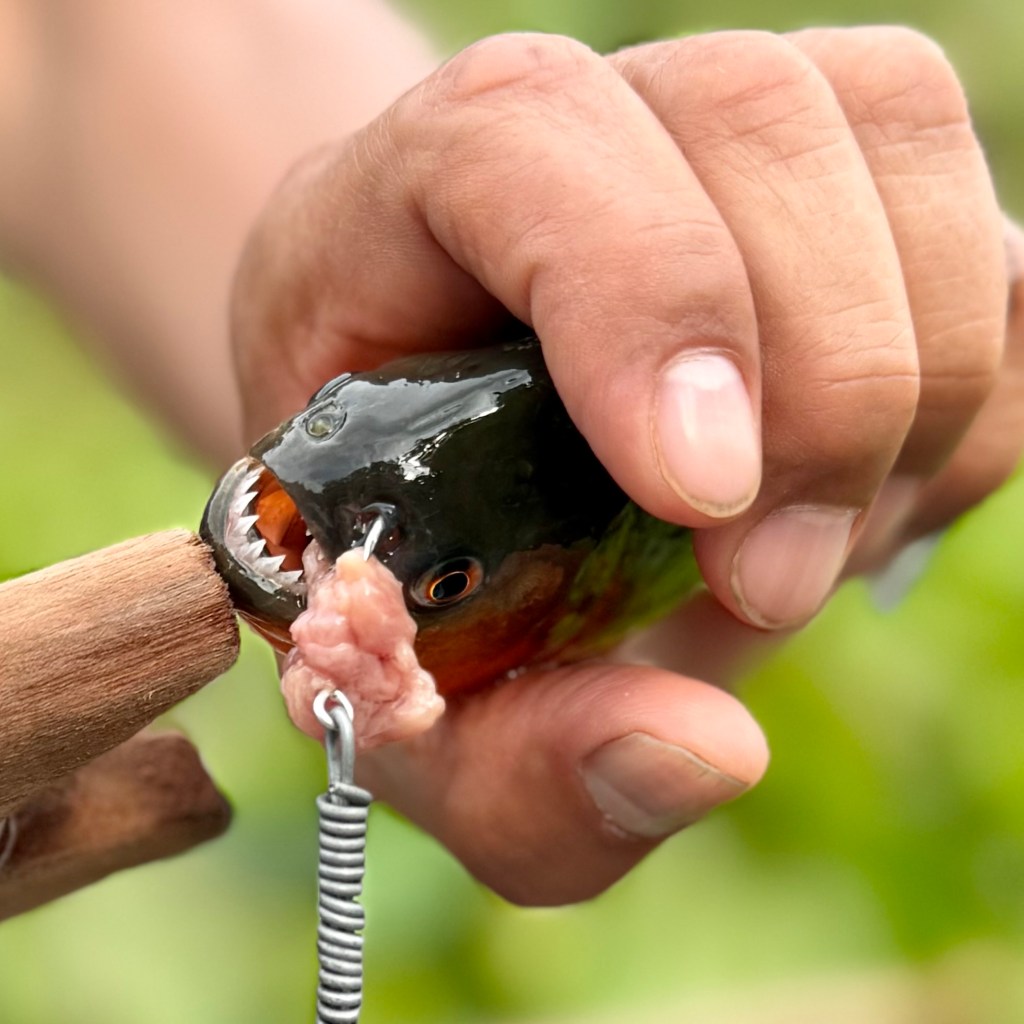
Surprisingly, piranha tastes very similar to a mild white fish. We enjoyed it.
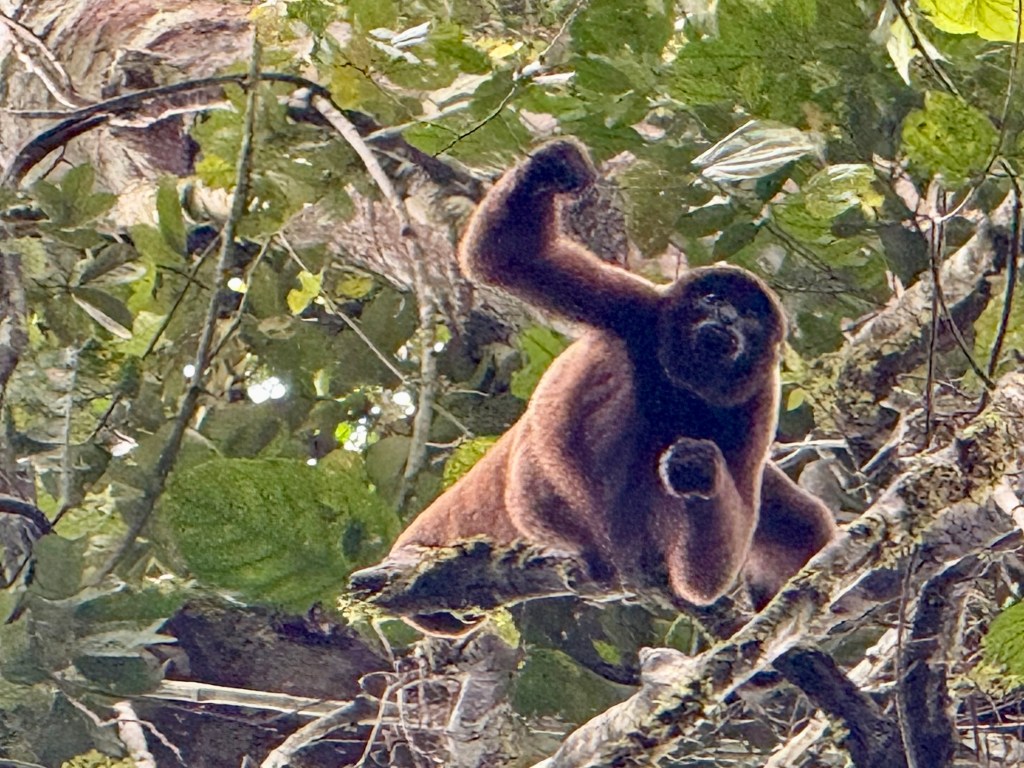
We had spent the entire trip hoping to spot a sloth, and finally succeeded later that afternoon!
⸻
May 30 — Leaving the Amazon
On our final morning, we paddled back through the narrow waterways to reconnect with the motorized canoes for the three-hour journey on the Napo River back toward the town of Coca.
Leaving the Amazon felt surreal after several days immersed in such an extraordinary environment.
⸻
Final Thoughts
One of the biggest surprises about the Amazon was how much patience wildlife viewing requires. Most animals are actively trying to avoid humans, so many sightings came while quietly floating in canoes or standing silently in the jungle waiting for movement.
Over the course of the trip, we saw nine different species of monkeys — by far my favorite wildlife encounter of the journey. Between the incredible biodiversity, the Indigenous cultural experiences, and the sheer remoteness of the rainforest, visiting the Ecuadorian Amazon was unlike anywhere else I have traveled.